


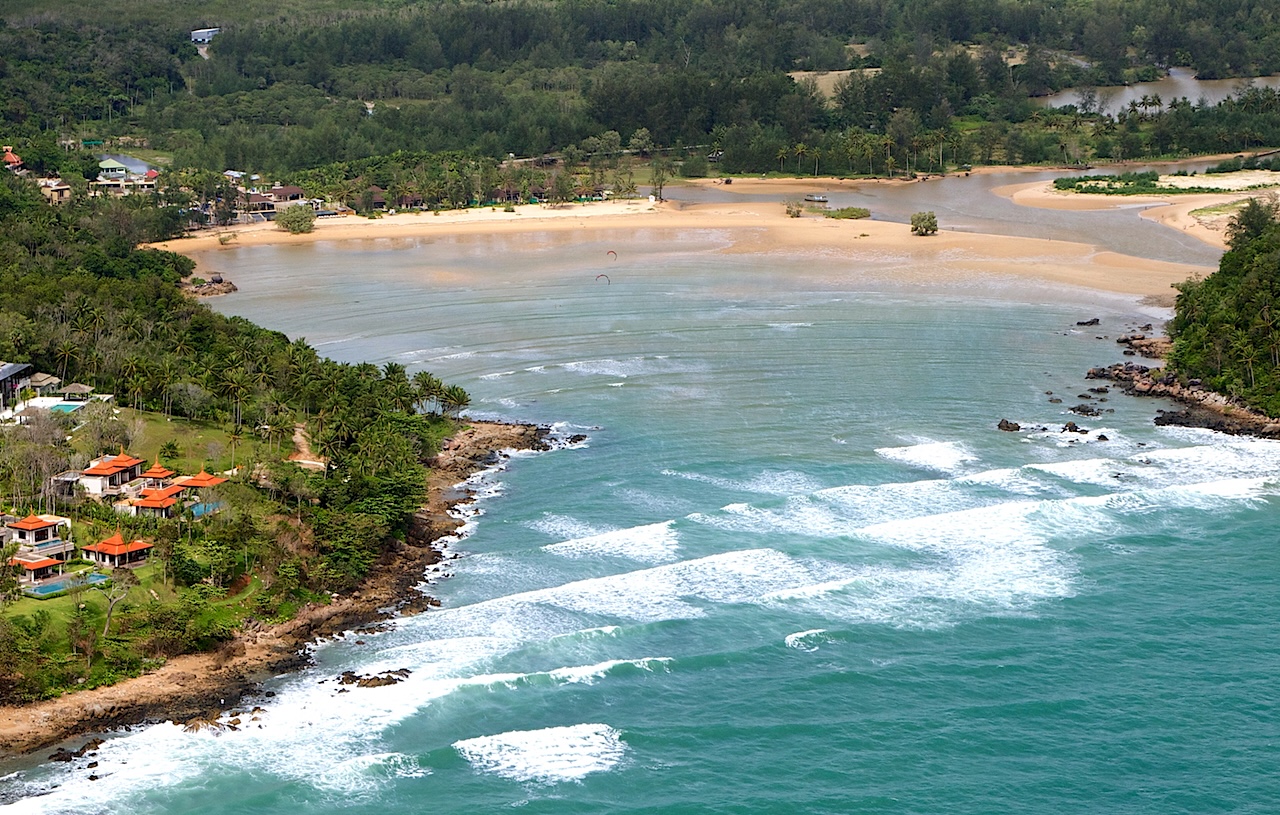
The internet will tell you Phuket has a “best” season. It doesn’t. It has seasons that match different travelers – and picking wrong could cost you thousands or turn your dream trip ordinary.
This guide shows what each month actually delivers, so you can match Phuket’s rhythm to your own. The island you want depends on whether you’re chasing postcard weather, cultural depth, or five-star luxury at budget prices.
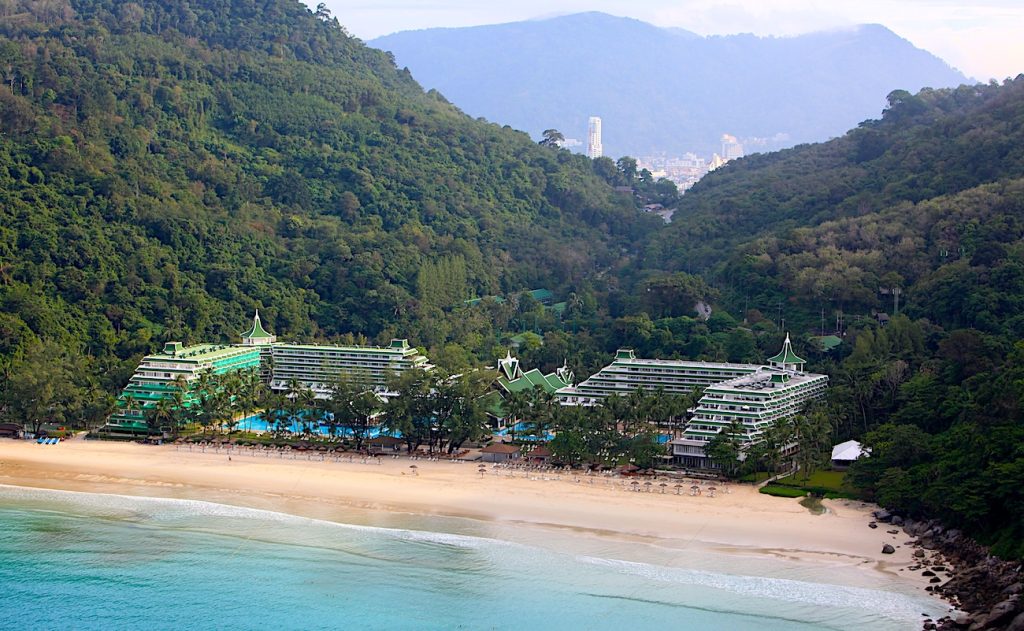
Three Ways to Experience Phuket
The Classic Experience (November–March)
Calm seas, resort perfection, social energy. Premium pricing and full capacity.
You’ll love it if the weather is non-negotiable, and you want Phuket firing on all cylinders – boat trips, beach clubs, nightlife all running at peak.
The Smart Value Window (April–May, October)
Strong weather, fewer crowds, better deals. Higher heat or transition periods.
You’ll love it if you’re flexible on perfection: You want luxury without peak pricing, and you don’t mind afternoon heat or occasional showers.
The Contrarian’s Phuket (June–September)
Empty beaches, dramatic landscapes, luxury bargains. Frequent rain and rougher seas.
You’ll love it if you can work around the weather (the locals manage). You want the island quiet, staff with time to chat, and five-star resorts at half price (perhaps with the occasional surf lesson too).
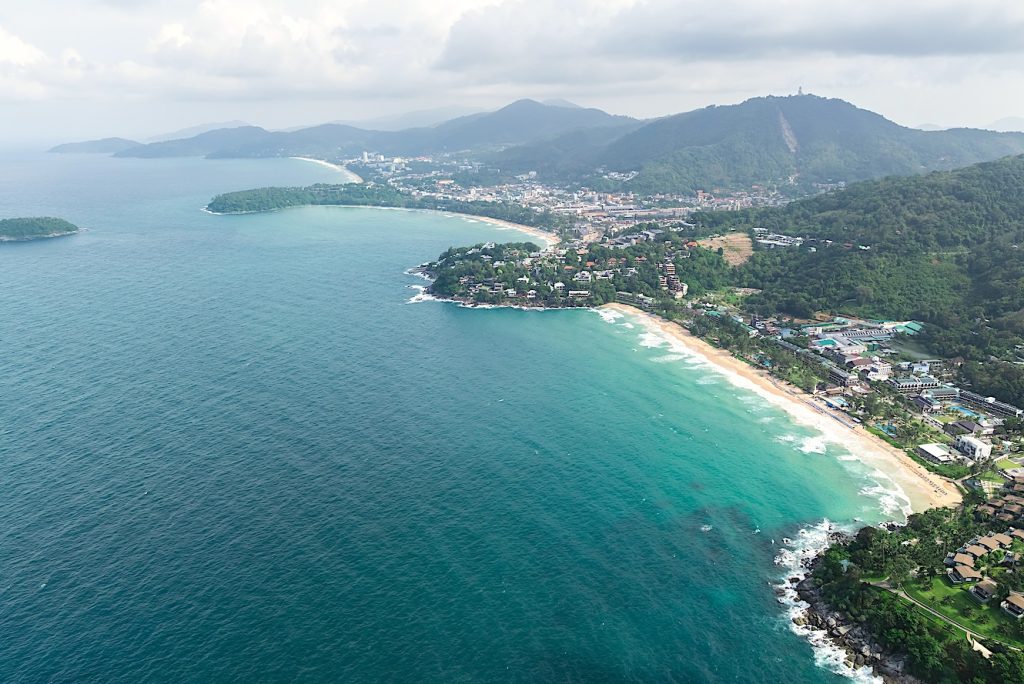
Month by Month: What to Actually Expect
November
The island exhales after monsoon season. Humidity drops, skies clear, and the Andaman settles into turquoise calm.
What it feels like: Early summer energy without the crowds. Resorts are polished and ready. Diving and boat tours restart. The Similans are open and temperatures sit comfortably in the high 20s.
The trade-off: You’re competing with Australians and Europeans who know this window. Book ahead for popular resorts.
Pricing: 20-30% below December rates.
Best for: First-timers who want excellent weather without peak chaos. Photographers. Divers.
December
Phuket at full throttle. Beach clubs pulse, superyachts fill marinas, every restaurant takes reservations. Everything is a go.
What it feels like: The island’s most electric month. Consistently sunny, flat seas, warm evenings. Families arrive post-Christmas. Solo travelers find their crowds. The social atmosphere is contagious.
The trade-off: Peak pricing across accommodation and dining. Popular spots book months ahead. Patong feels like a resort town in high summer.
Pricing: Expect 30-60% premiums. Beachfront villas can double.
Best for: Social travelers. Festive escapes. Anyone who wants Phuket’s full repertoire available.
January
If someone asks you to picture tropical paradise, this is the month your brain conjures. Mornings break clear and warm. The sea sits flat. Resort pools fill with honeymooners who’ve planned this for a year – and the weather delivers daily.
What it feels like: Effortlessly beautiful. Low humidity, gentle breezes, perfect beach days on repeat. The pace feels slower than December’s buzz.
The trade-off: Everyone knows January is reliable. Availability tightens. You’re paying for certainty.
Pricing: High, but stabilizes after New Year’s spike.
Best for: Honeymoons. Wellness retreats. Anyone who wants weather insurance for Beach Club concerts and pre-booked boat trips.
February
January’s polish with slightly warmer temperatures. The high-season crowd thins marginally as school holidays end.
What it feels like: Refined and unhurried. Dive visibility peaks. Sunsets stretch long and golden. You’ll find space at beaches that felt packed in December, with enough events to pack out an itinerary.
The trade-off: Still premium pricing, though negotiable midweek.
Pricing: High, with more flexibility than Dec-Jan.
Best for: Couples. Food-focused travel. Dive and snorkel trips. Spa stays, and events.
March
Heat builds but conditions hold strong. The tail end of high season before April’s intensity.
What it feels like: Warm sea temperatures, reliable sunshine, noticeably fewer tourists. Resorts begin offering value as they prepare for the heat months.
The trade-off: Daytime temperatures push into the low 30s. You’ll want air conditioning, pool access, or beach shade.
Pricing: 15-25% below Feb rates toward month’s end.
Best for: Value-conscious travelers who want high-season weather at shoulder rates.
April
Hot, bold, culturally rich. April is Songkran – Thailand’s New Year water festival – which completely redefines the island for a week.
What it feels like: Peak heat. Street parties, water fights, temple ceremonies. The expat and local communities come alive. If you’re here for Thai culture rather than beach lounging, this is your month, as Phuket pulls out all the stops, ending the peak season with a bang.
The trade-off: Daytime temperatures hit 33-35°C. Midday feels oppressive without AC or pool access. If you’re not interested in Songkran, the heat may outweigh the benefits.
Pricing: Drops 30-40% outside festival week.
Best for: Cultural travelers. Festival lovers. Photographers chasing energy over landscapes.
May
Humidity rises. Rain appears in short bursts – usually afternoon downpours that clear within an hour.
What it feels like: Noticeably quieter. Resorts offer strong deals. Mornings stay sunny and beautiful. By 3pm, clouds roll in, rain falls, then clears by dinner. You adjust your schedule, not cancel your plans.
The trade-off: You’re gambling slightly on weather. Most days are fine. Some aren’t. Divers will lose the opportunity to dive Similan Islands and vibrant Richelieu Rock.
Pricing: 30-50% below peak months.
Best for: Spa retreats. Private pool villas. Travelers comfortable with flexible itineraries. Surf starts to roll in until October.
June–July
Rain becomes frequent but rarely constant. The island turns lush and green. West coast beaches develop surf swells.
What it feels like: Moody, cinematic skies. Dramatic sunsets. Empty beaches. Staff have time to talk. Luxury resorts feel like private estates. Surfers claim Kata, Surin, and Kalim.
The trade-off: Rougher seas mean some boat trips cancel on bad-weather days. Expect rain most afternoons – plan around it.
What “monsoon” actually means: Sunny mornings, 1-2 hour downpour in the afternoon, clear by evening. Some days are glorious. Some are grey. You’re not trapped indoors – you’re adjusting.
Pricing: 40-60% below peak season. Five-star resorts become accessible.
Best for: Surfers. Wellness travelers. Long-term visitors. Anyone who values space over guaranteed sunshine.
August–September
Peak monsoon. The island’s quietest months.
What it feels like: Introspective and calm. Towns slow down. Beaches empty. Rain falls more frequently, sometimes for full days. But when the sun breaks, you’ll have Phuket nearly to yourself.
The trade-off: This is the gamble. Weather is unpredictable. Some west-coast beaches close due to dangerous surf. Indoor days happen.
Pricing: Lowest of the year. Expect 40-60% discounts at top properties.
Best for: Writers. Creatives. Spa-focused stays. Travelers who can embrace the weather rather than fight it.
October
Rain eases. Resorts refresh ahead of high season. The island transitions from quiet to buzzing.
What it feels like: Transitional beauty. Greenery is at its peak. Tourist numbers rise but haven’t peaked. Weather improves week by week – early October still feels monsoon-ish, late October feels like early high season.
The trade-off: Conditions vary by week. Early October is a gamble; late October is increasingly reliable.
Pricing: Strong value – 30-40% below November.
Best for: Shoulder-season value hunters willing to time their trip toward month’s end.
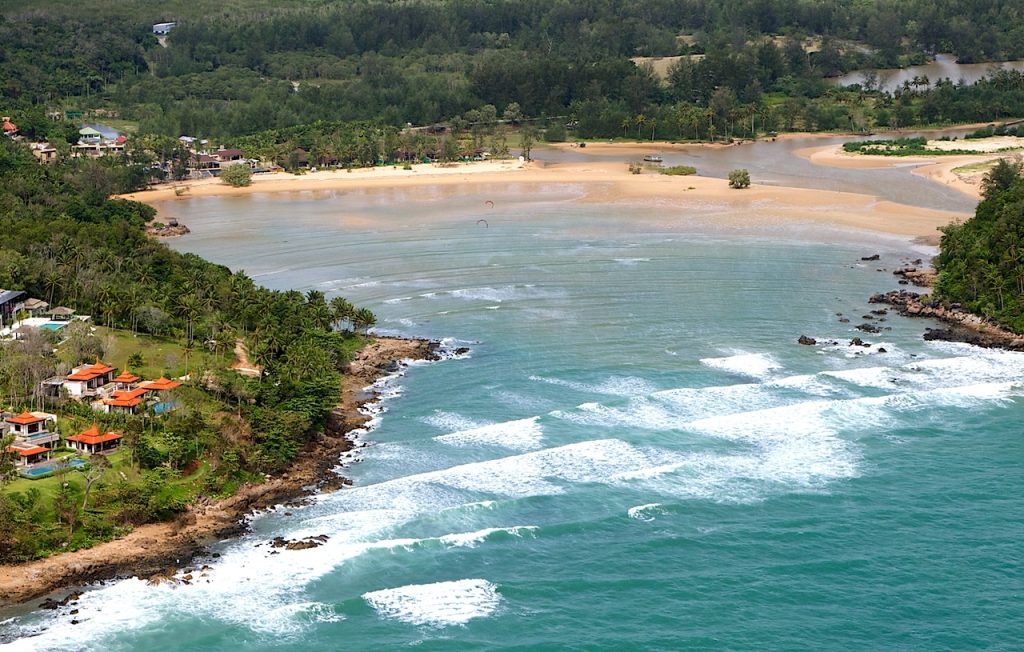
Quick Decision Tool
Choose your month based on what matters most:
- Weather is non-negotiable → January, February
- Want great weather, fewer crowds → November, March
- Flexible on weather, want value → May, October
- Here for culture over beaches → April (Songkran)
- Long-term stay, can wait out rain → June–September
- Luxury on a budget → August, September
What About Monsoon Safety?
Yes, it’s safe. Monsoon means rain and surf, with a low chance of typhoons or flooding. West-coast beaches get rough – and weak swimmers should stay in mellow waters, but there are lifeguards (as well as surfers) across the beach. Boat tours to nearby islands may cancel on heavy-weather days. That’s the extent of the disruption.
Final Word
The biggest mistake is assuming Phuket is either “on” or “off.” Every month offers a different version of the same island – from sun-washed perfection to introspective calm.
Choose the month that matches how you want to feel, not just what the weather app says.