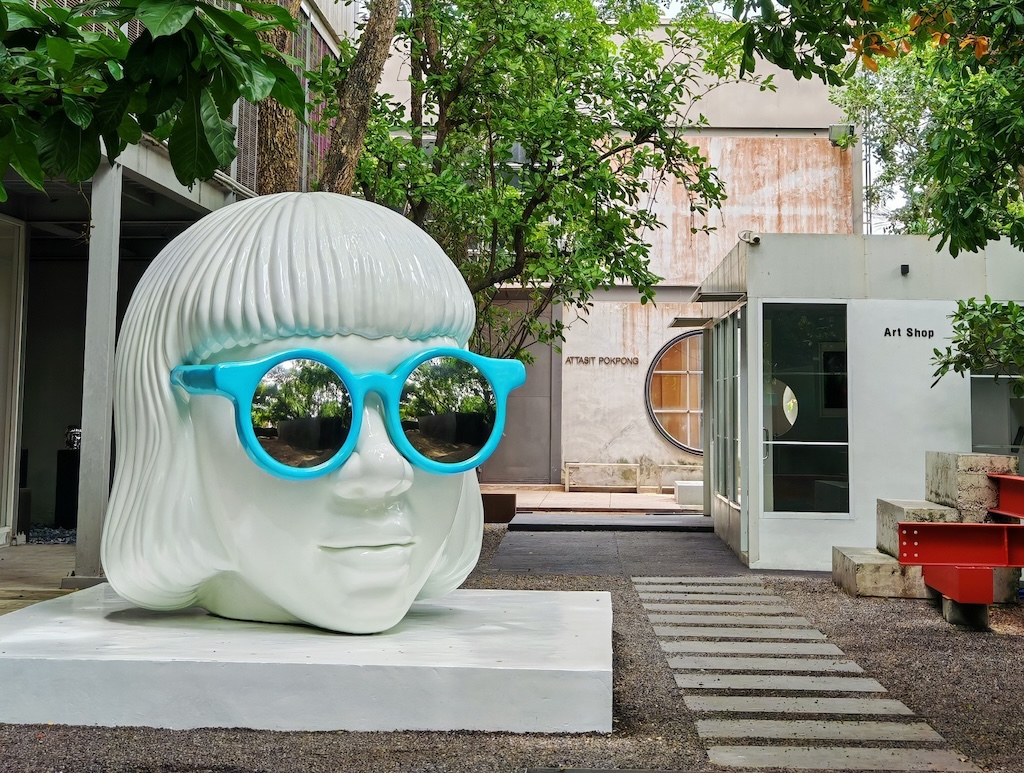
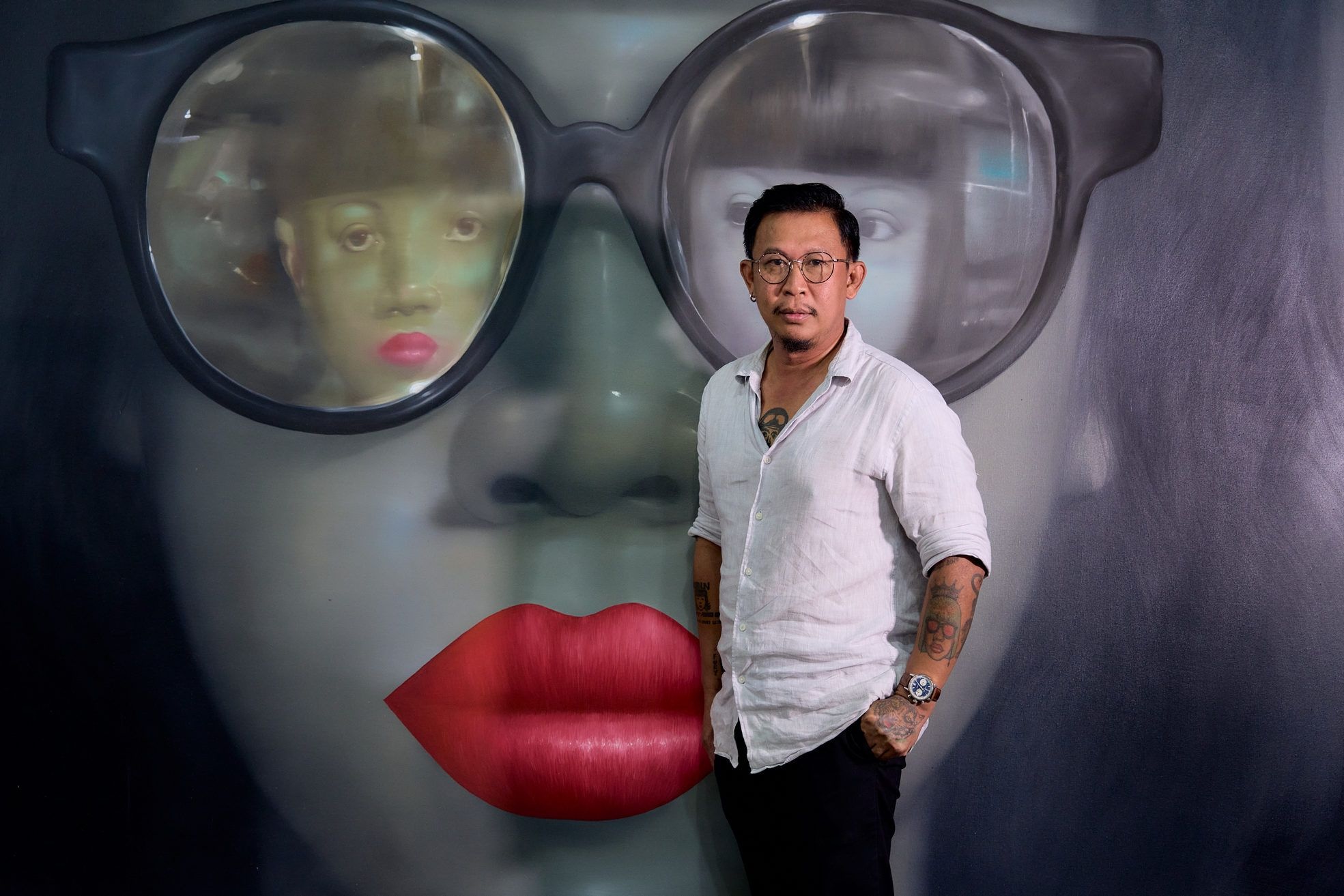
Thai artist Attasit Pokpong creates paintings and sculptures which are crafted with meticulous attention to detail, from the subtle nuances of expression to the intricate play of light and shadow. He describes his process as “art of presence.”
By: Mia James
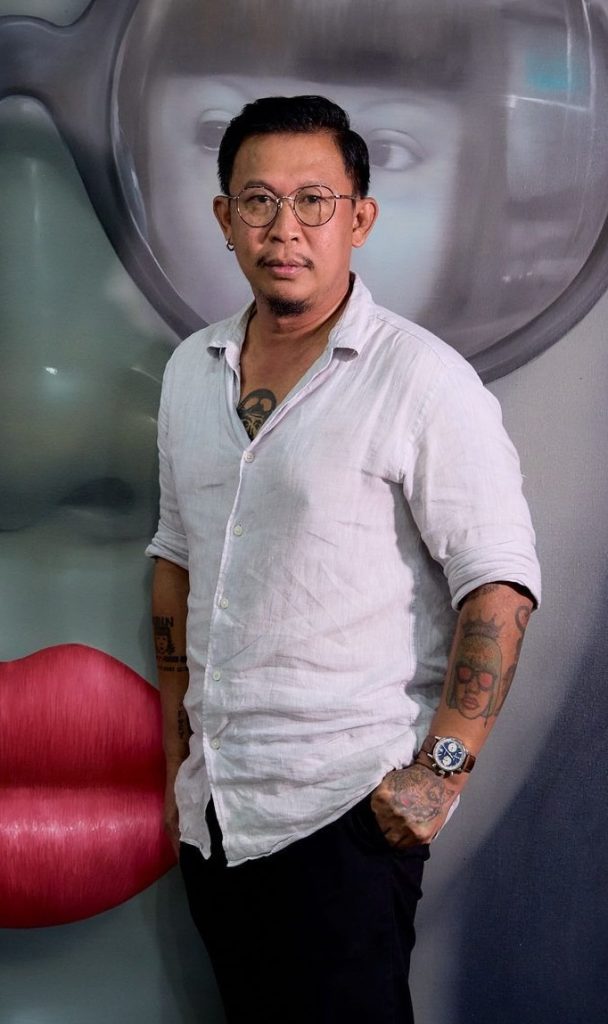
Born in 1977 in Thailand, Attasit Pokpong has emerged as a prominent figure in contemporary Thai art, renowned for his evocative portraits that delve into the depths of human emotion and identity. His journey from a budding artist to an internationally acclaimed painter is a testament to his dedication, unique vision, and the universal appeal of his work.
Early Life and Education
Attasit Pokpong’s artistic inclinations were evident from a young age. Pursuing his passion, he enrolled at the Rajamangala Institute of Technology in Bangkok, where he honed his skills and developed a profound understanding of various artistic mediums. This academic foundation provided him with the technical prowess and conceptual frameworks that would later define his distinctive style.
Artistic Evolution
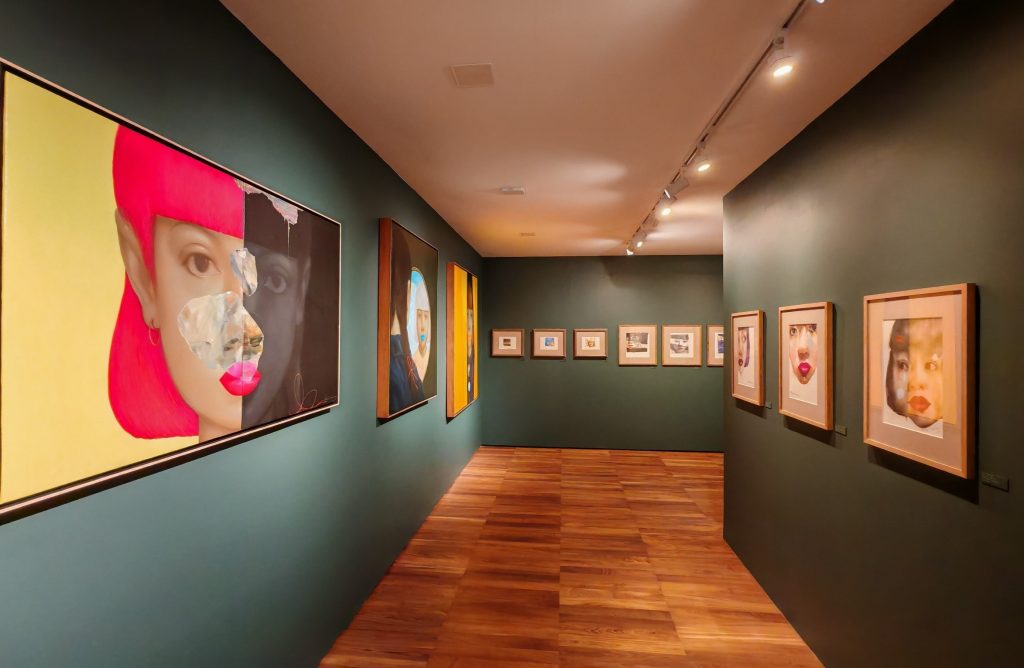
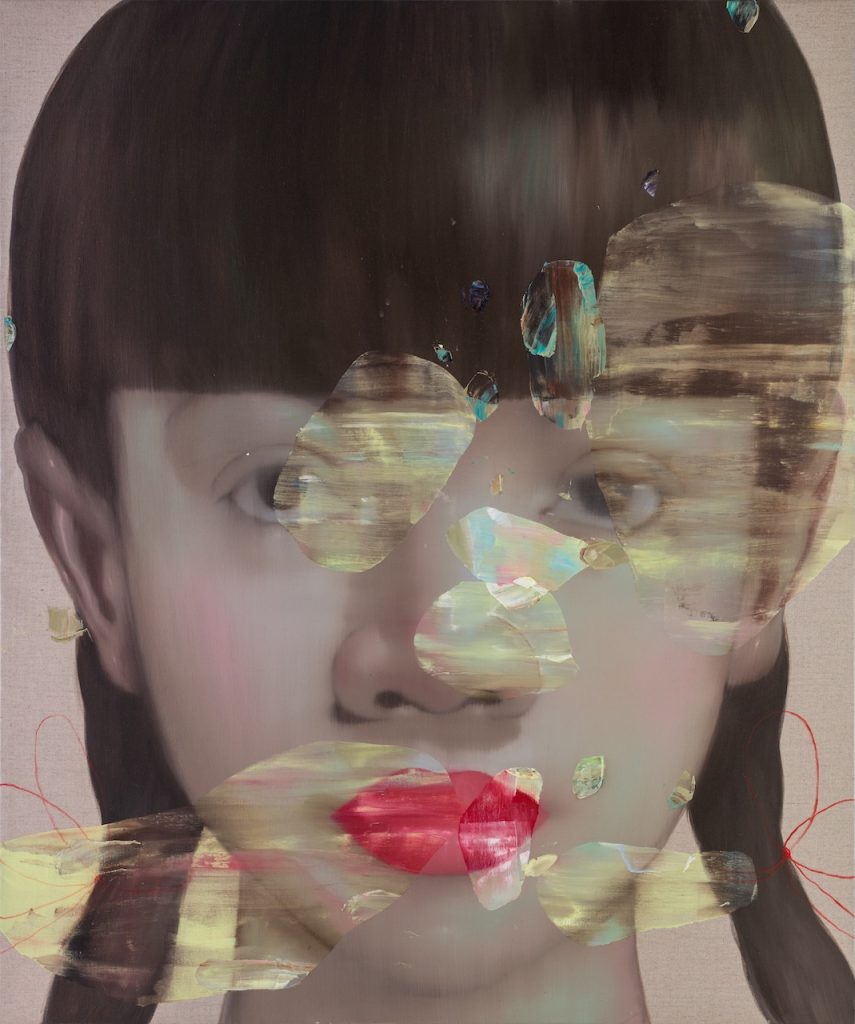
Embarking on his professional journey in the late 1990s, Attasit initially explored a range of subjects and techniques. However, it was his focus on portraiture, particularly the portrayal of Asian women, that garnered significant attention. His paintings are characterized by a harmonious blend of realism and abstraction, where the delicate features of his subjects contrast vividly with bold, often monochromatic backgrounds. This juxtaposition not only highlights the central figure but also evokes a sense of mystery and introspection.
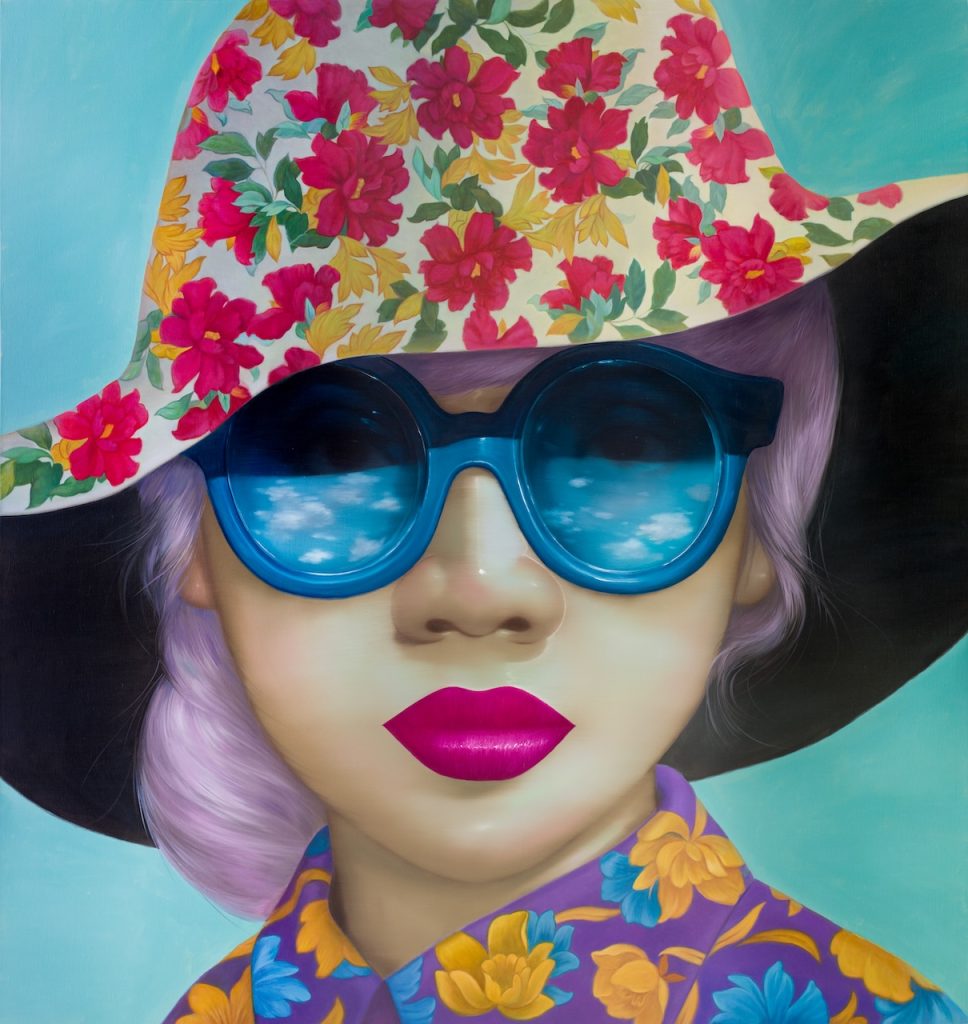
A hallmark of Attasit’s work is his masterful use of the sfumato technique, which imparts a dreamlike, ethereal quality to his subjects. The soft gradations and blurred contours create an intimate atmosphere, inviting viewers to delve deeper into the emotions and stories encapsulated within each canvas. The recurring motif of vibrant, often vividly coloured lips serves as a focal point, symbolizing both sensuality and the unspoken narratives of his subjects.
Themes and Inspirations
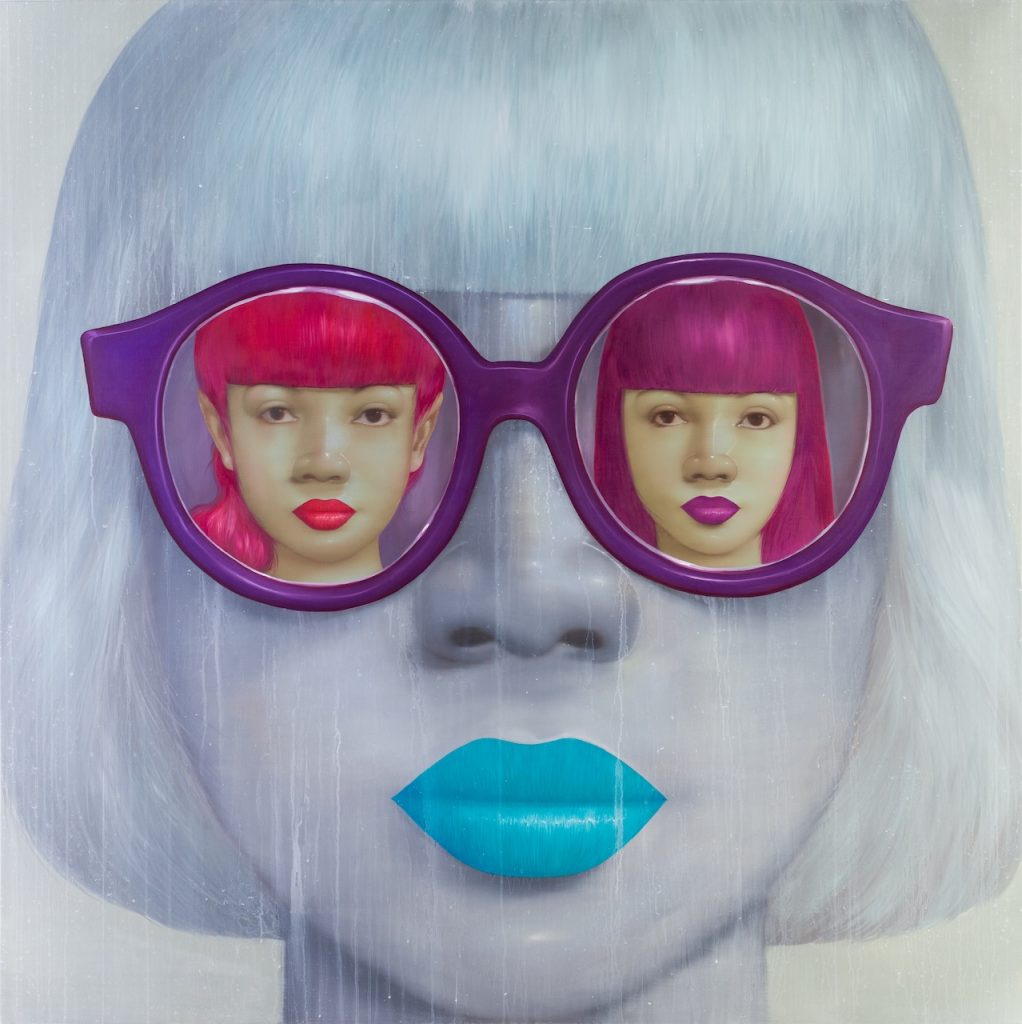
Central to Attasit’s oeuvre is the exploration of identity, femininity, and the human psyche. His portraits transcend mere representation, delving into the complexities of emotion, cultural identity, and personal experience. The enigmatic expressions and gazes of his subjects prompt viewers to engage in a dialogue, reflecting on their own perceptions and biases.
While deeply rooted in Thai culture, Attasit’s work resonates on a universal level. He draws inspiration from the rich tapestry of Asian art traditions, seamlessly integrating them with contemporary aesthetics. This fusion results in pieces that are both timeless and modern, offering fresh perspectives on traditional themes.
Exhibitions and Recognition
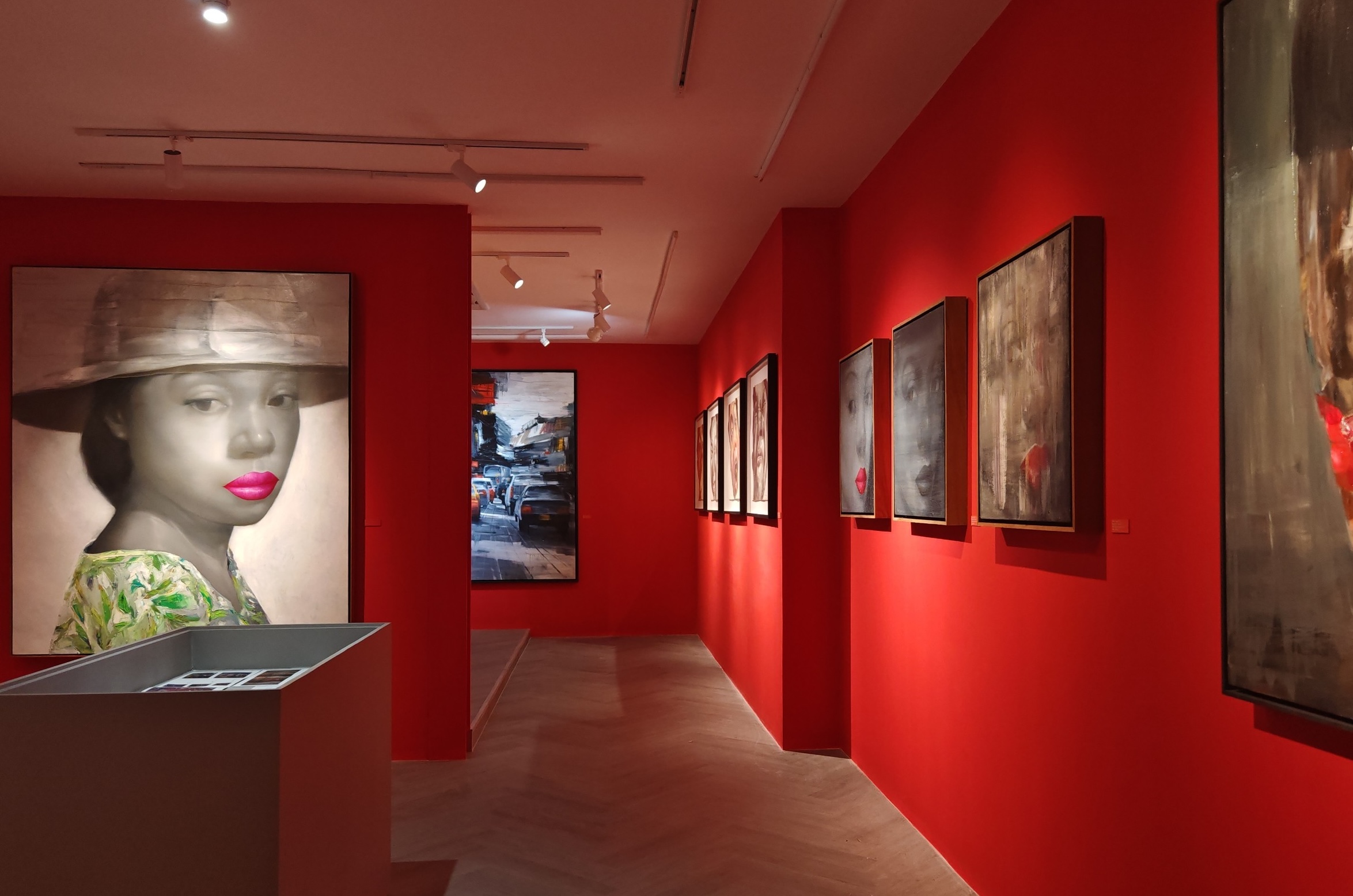
Attasit’s compelling artistry has led to numerous exhibitions, both within Thailand and internationally. His works have been showcased in esteemed galleries and art fairs, captivating audiences with their emotional depth and technical brilliance.
In 2023, the Museum of Cultures (MUSEC) in Lugano, Switzerland, hosted a solo exhibition titled “The Presence,” featuring 29 large-scale oil paintings and 22 watercolours created between 2008 and 2023. This exhibition underscored Attasit’s evolution as an artist and his unwavering commitment to exploring the nuances of human emotion through portraiture.
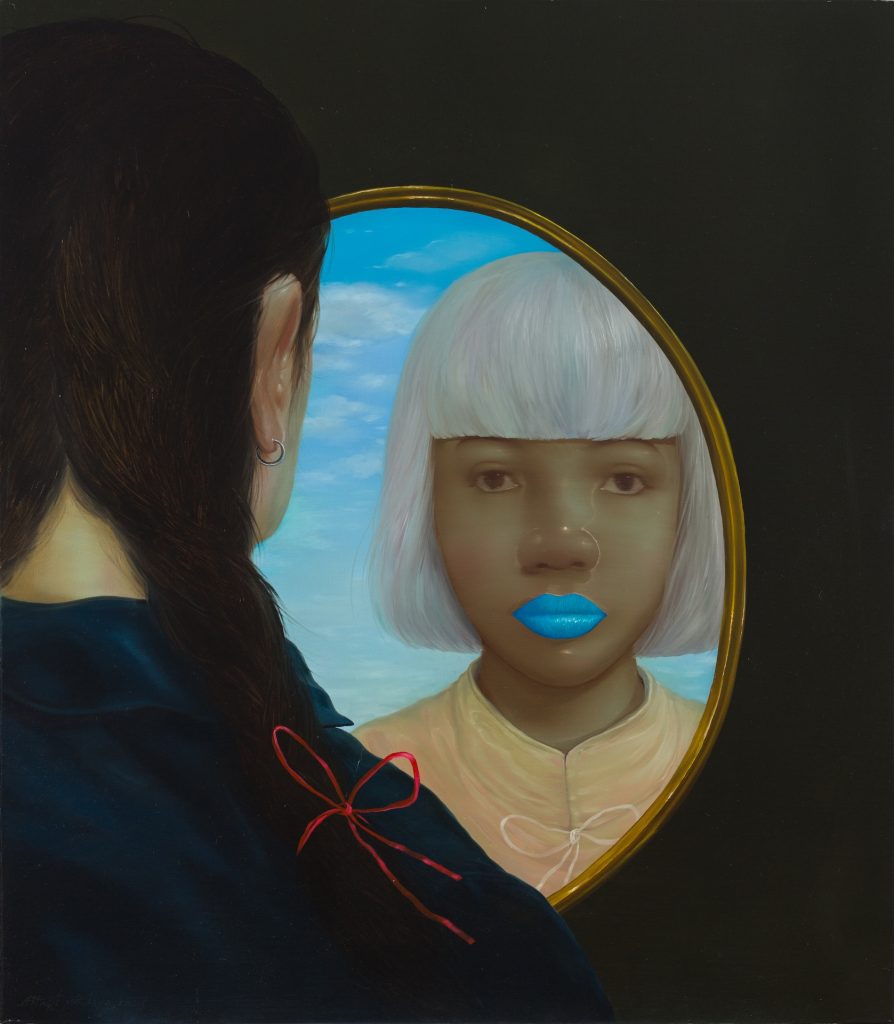
Further cementing his international acclaim, Attasit’s works were featured in exhibitions at Leonhard’s Gallery in 2024, including “The Collection of Attasit Pokpong” in March and a New Year’s reception in January.
Attasit’s commitment to his craft extends beyond the canvas, and into sculpture. He continually seeks to push the boundaries of traditional portraiture, experimenting with new techniques and mediums to capture the multifaceted nature of human experience. This relentless pursuit of innovation has solidified his reputation as a dynamic and forward-thinking artist.
Legacy and Future Endeavors
As Attasit Pokpong continues to evolve artistically, his influence on both Thai and global art landscapes becomes increasingly profound. His unique approach to portraiture challenges conventional norms.