
Transcending Motorcars, a Cultural Phenomenon
By: Zach Henry
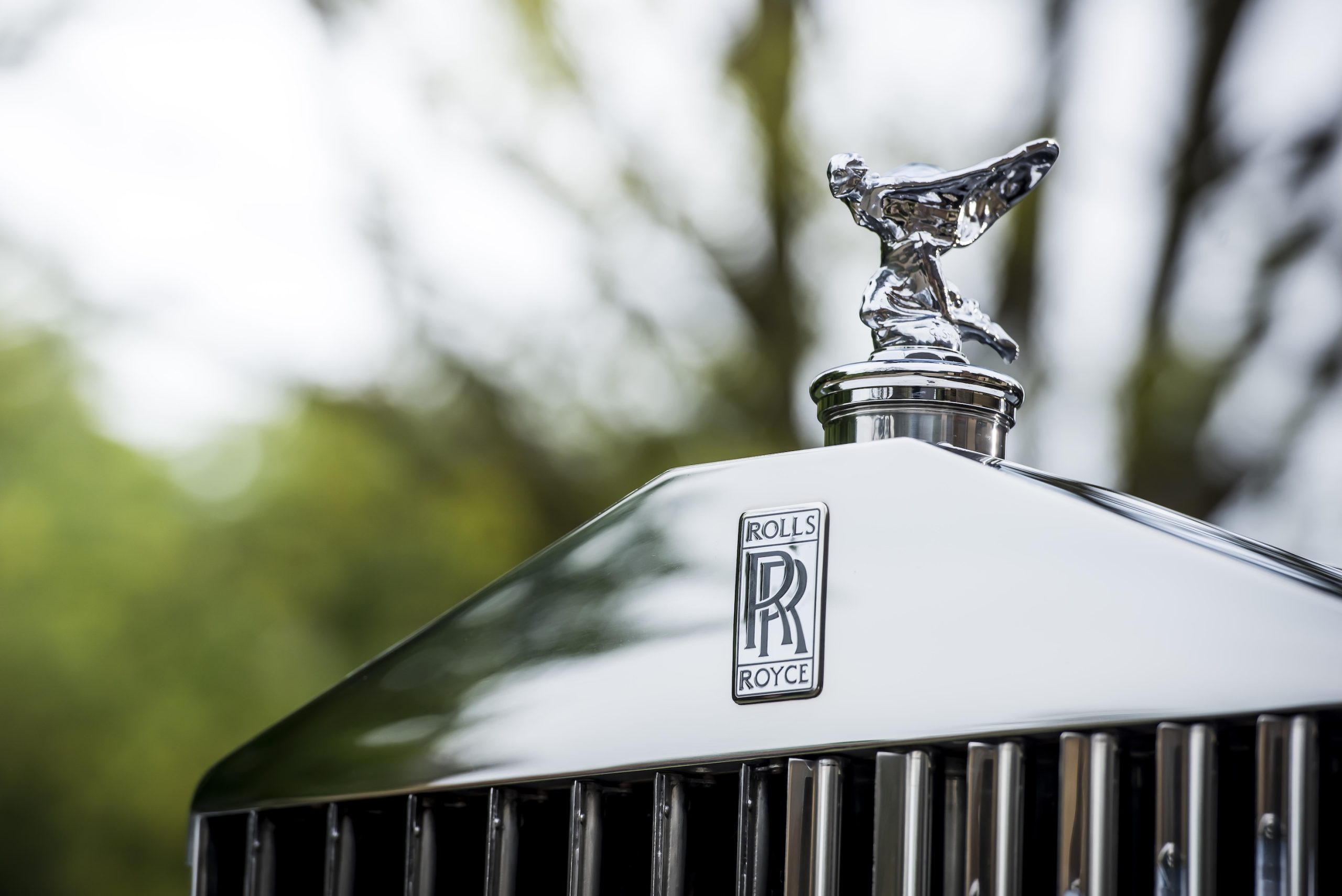
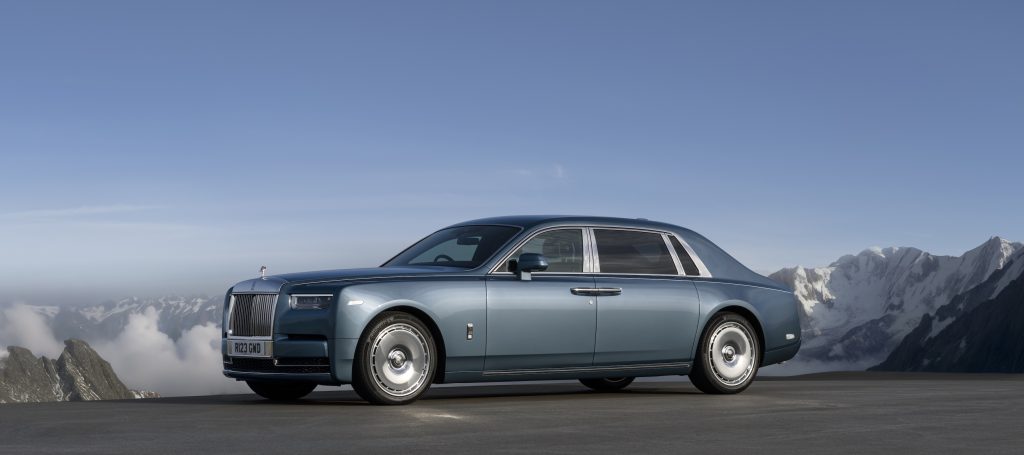
For a century, the Rolls-Royce Phantom has served as more than luxury transportation – it’s been a cultural barometer, reflecting the ambitions and identities of each era’s power brokers. A symbol of success, the Rolls-Royce Phantom changed the world’s perspective on motorcars, becoming as much a part of global culture as the people who have chosen it as their companion.
Since its inception in 1925, the Phantom has stood as the longest-running nameplate in automotive history, and with good reason. The name ‘phantom’ suggests something both present and elusive, a vehicle that commands attention precisely because it doesn’t demand it – a silent, yet commanding aura that leaves a lasting imprint wherever it goes. It is a vehicle shaped by its owners’ desires, their dreams, and their ambitions, crafted to be an extension of their personal identity. Every curve, every stitch of leather, every hand-finished detail has been designed with one purpose: to elevate the automotive experience to its highest form.
A Legacy Forged in Luxury and Power
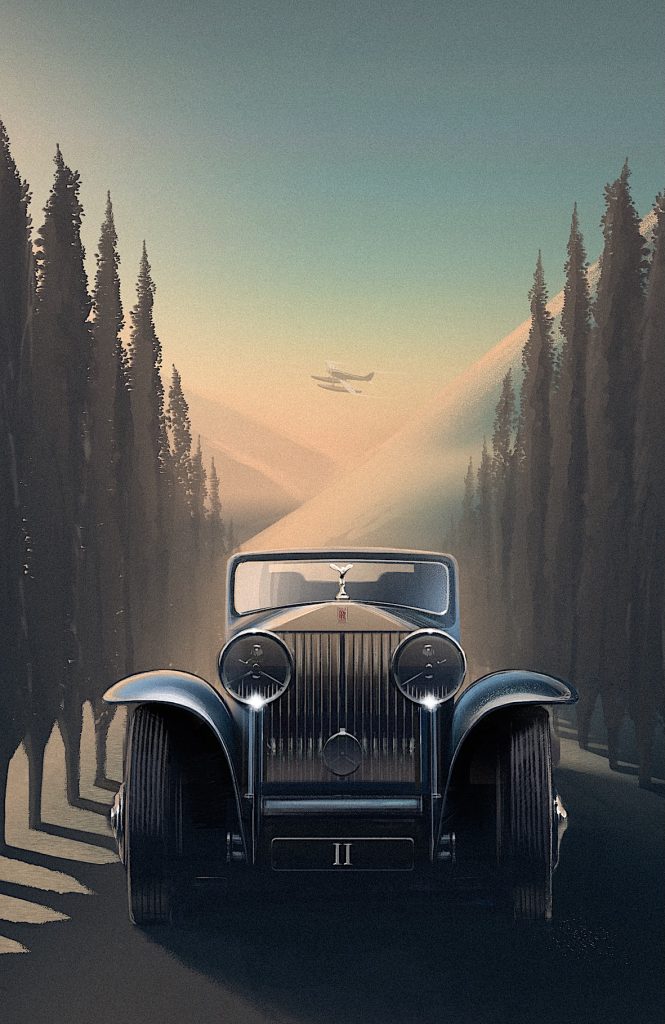
When the Phantom first graced the roads in 1925, it was immediately recognised as one of the finest luxury cars of its time. Rolls-Royce supplied only the chassis and engine, leaving the bodywork to independent coachbuilders, making each Phantom a truly bespoke experience
In times of mass production, the Phantom remained steadfastly hand-built, ensuring that each car was as unique as its owner. Unlike mass-produced vehicles, each Phantom became a canvas for personal expression – hidden compartments for one owner, integrated writing desks for another. This bespoke approach resisted industry trends toward standardisation. Today, this dedication still resonates, with every Phantom being crafted individually, guaranteeing that no two are ever alike, but evolved to keep up with state-of-the-art modern technology to ensure the best in quality. In a world where the speed of progress often sacrifices craftsmanship; the Phantom remains a beacon of quality, an embodiment of the extraordinary attention to detail that comes with owning something special.
The Phantom’s Royal Pedigree
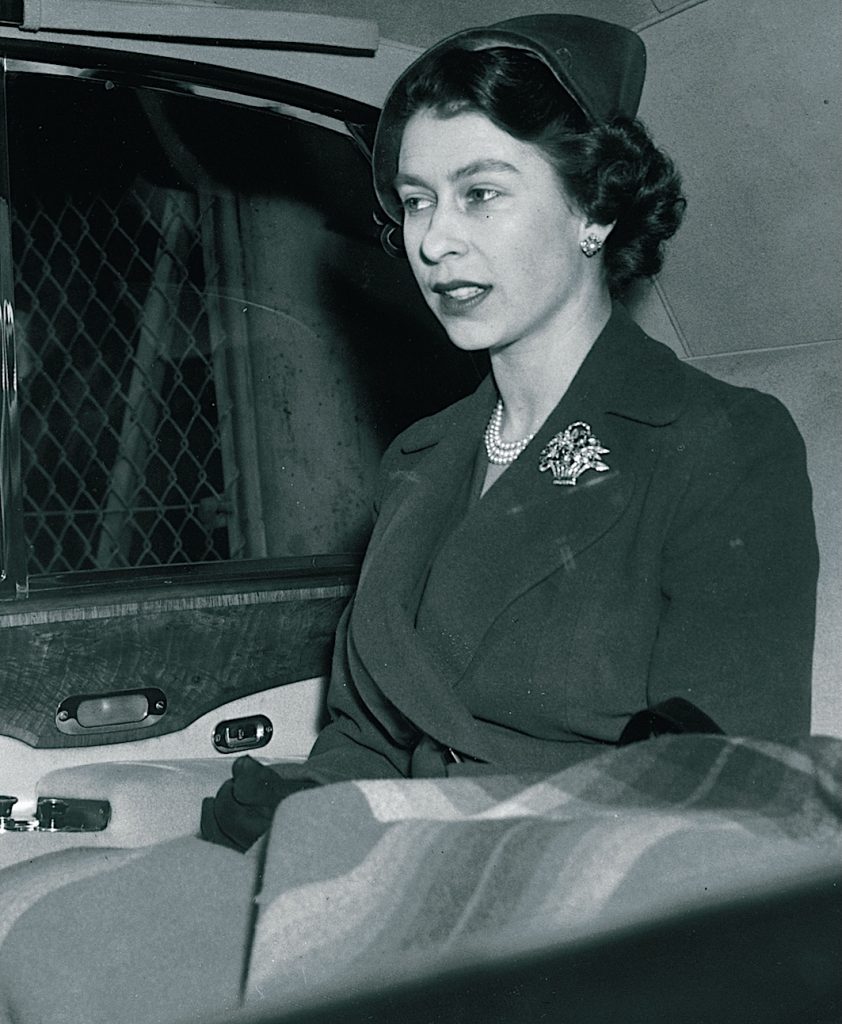
No relationship has shaped the legacy of the Phantom more than its deep and enduring connection to royalty. Rolls-Royce delivered The Duke of Edinburgh and Princess Elizabeth the first Phantom IV all the way back in 1948, marking the beginning of a partnership transcending generations. This bespoke Phantom IV, codenamed “Maharajah of Nabha,” has remained in active service at the Royal Mews today – a constant symbol of the British monarchy’s grandeur.
For decades, the Phantom has symbolised the continuity and stability of the monarchy, the Royal Family’s preferred choice for state occasions, from royal weddings to national celebrations. The Silver Jubilee Phantom VI, presented to Queen Elizabeth II in 1977, was used recently at the wedding of Prince William and Kate Middleton in 2011. The same vehicle that carried royalty to coronations also transported them through decades of social change, making the Phantom an inadvertent chronicler of shifting power structures.
Beyond British shores, the Phantom has travelled to the farthest reaches of nobility. In 1966, the United Arab Emirates’ founding father, Sheikh Zayed Bin Sultan Al Nahyan, received a Phantom V and in 1979, it served as the o¡cial vehicle for Queen Elizabeth II during her historic state visit to the UAE. Redefining what it means to be a car, the Phantom, a status symbol, a diplomatic tool, quietly asserting its presence and the prestige of those who use it.
A Canvas for Creative Expression
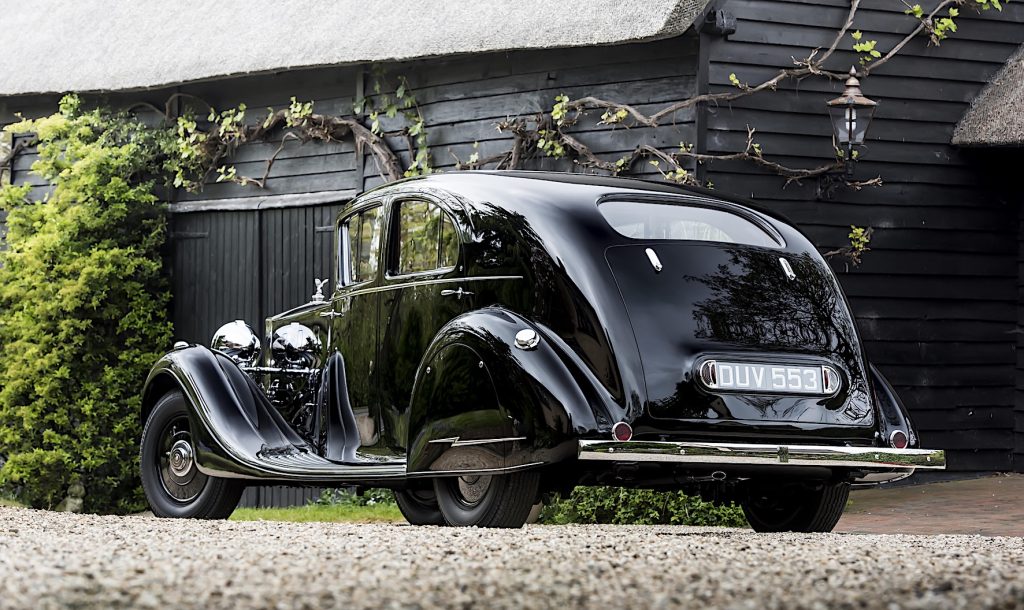
While the Phantom has long been the choice of the powerful elite as well as heads of state, it has also been embraced by artists, musicians, and members of the cultural revolution. Transforming from a symbol of aristocratic wealth, to a canvas for creative expression, especially in the world of music. John Lennon’s famous transformation of his 1964 Phantom V stands as one of the most iconic moments in the car’s history. Initially purchased in all black, Lennon’s Phantom was later reimagined with a vibrant yellow paint job adorned with psychedelic floral patterns, a reflection of the counterculture of the 1960s. Lennon’s psychedelic Phantom represented a perfect cultural paradox: he’d taken the automotive embodiment of the establishment and turned it into a billboard for counterculture. The rebellion wasn’t against luxury, but against those who wrote the rules for it.
Elvis Presley, too, found in the Phantom a vehicle that matched his persona. His 1963 Phantom V reflected the King of Rock ‘n’ Roll’s unique place in history. With its custom features like a built-in microphone and writing kit it became more than a car; a statement of his legacy, an emblem of his dominance in the world of music and entertainment.
In more recent years, the Phantom has made its way into the world of hip-hop, with stars like Snoop Dogg, Drake, and Rick Ross using it as a shorthand for success. A symbol of aristocratic wealth, flipped on its head, the Phantom has, in many ways, transcended its roots to become a universal symbol of achievement and self-determinism, no matter the industry.
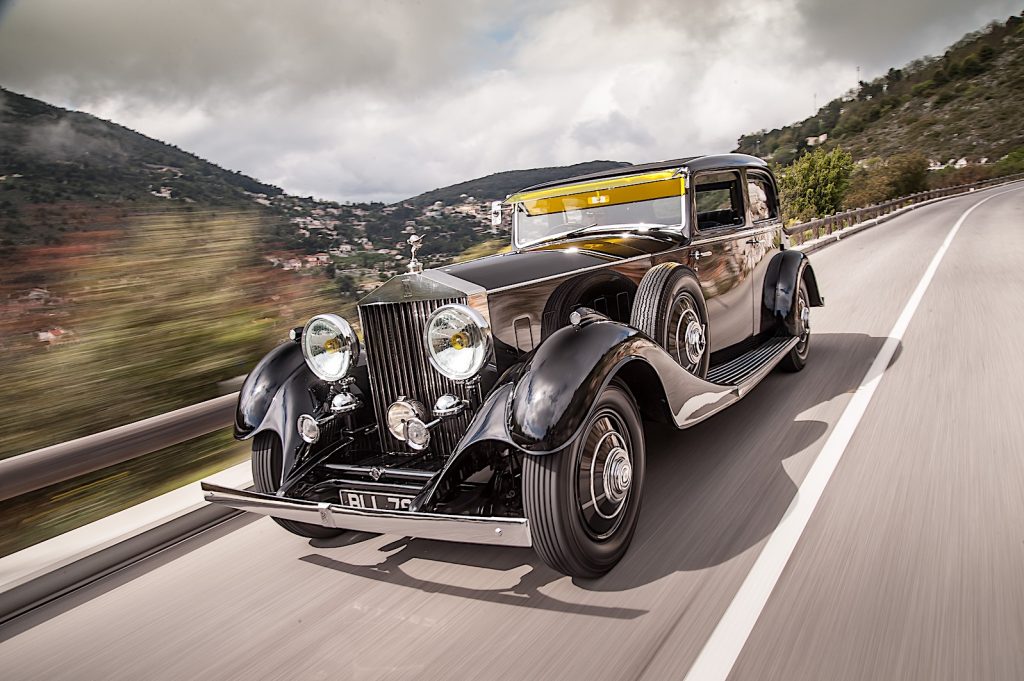
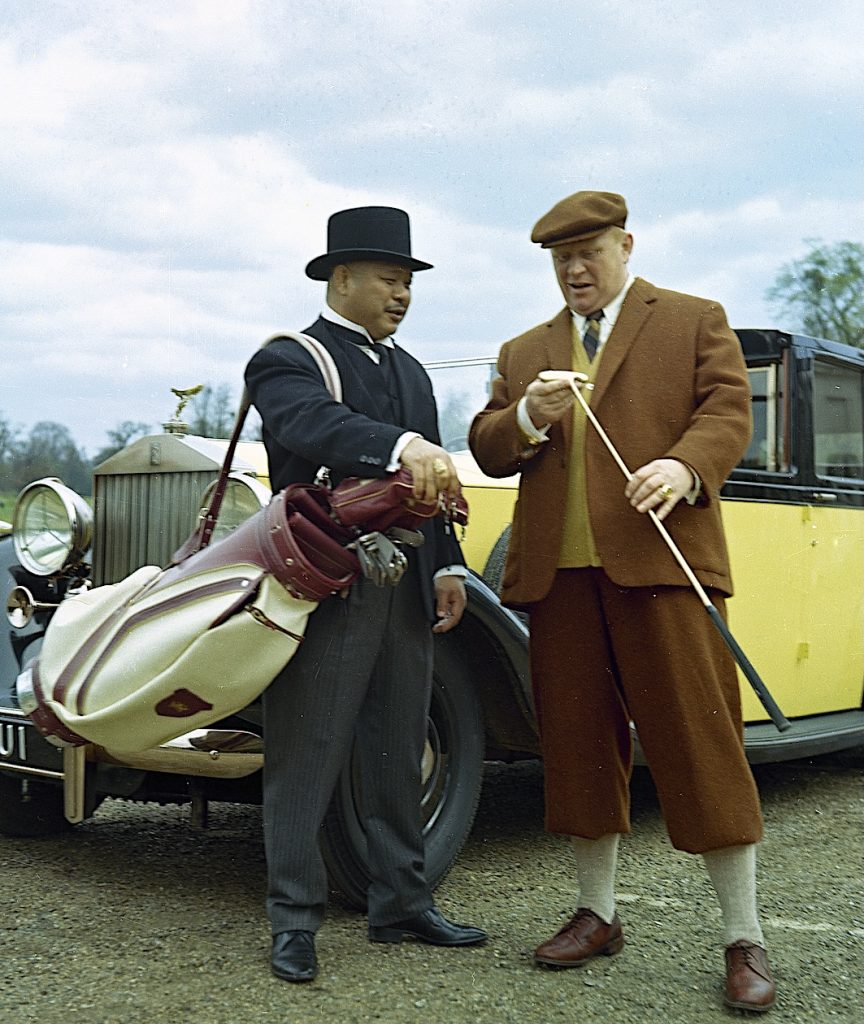
Seen on the big screen too, the Phantom’s cinematic presence has been just as powerful as its musical one. Notorious James Bond bad guy Goldfinger (1964) himself drives the Phantom III as his vehicle of choice to smuggle gold. The car’s role in James Bond films was no accident: an expression of power and wealth, the Phantom’s aura of luxury and authority perfectly suited the world of espionage, where status and secrecy are paramount.
In 2012, Phantom Drophead Coupés graced the closing ceremony of the London Olympics, transforming the car into a cultural icon for a new generation. It was no longer just a vehicle; it was an emblem of success, seen and admired by hundreds of millions across the globe.
Phantom in the Social Media Age
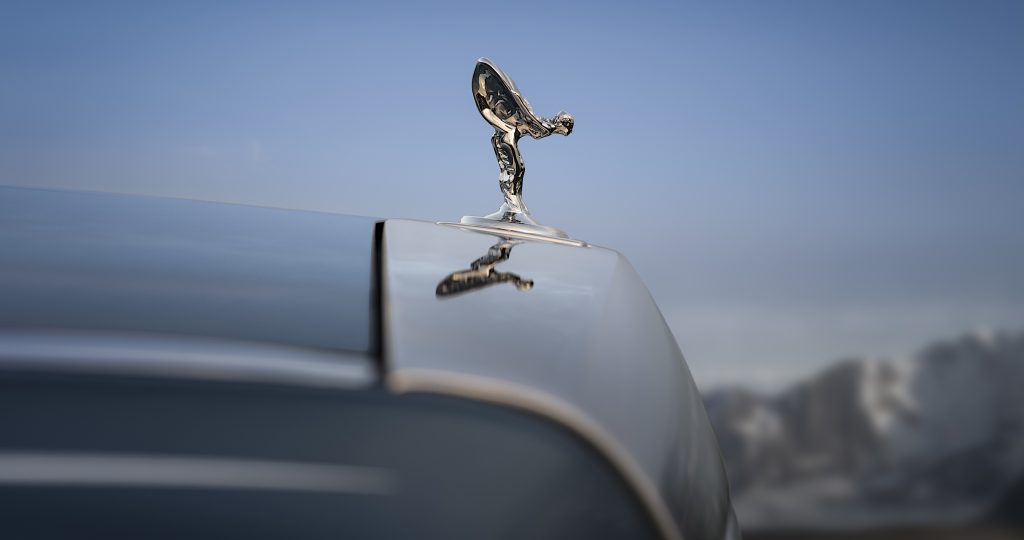
In the modern era, the Phantom’s legacy has been expanded into the digital sphere. Social media has fundamentally changed the Phantom’s cultural function. Where once it whispered wealth to the few who encountered it on exclusive streets, now it broadcasts success to millions through Instagram posts and TikTok videos as the likes of Snoop, Drake, and even non-celebrity high-net-worth individuals flaunt their custom creations to millions around the world. The car’s meaning has shifted from private luxury to public performance.
In its eighth generation, the Rolls-Royce Phantom’s bespoke options – from custom leather colours to handcrafted wood veneers and advanced suspension systems – caters to the individual who demands perfection in every detail.
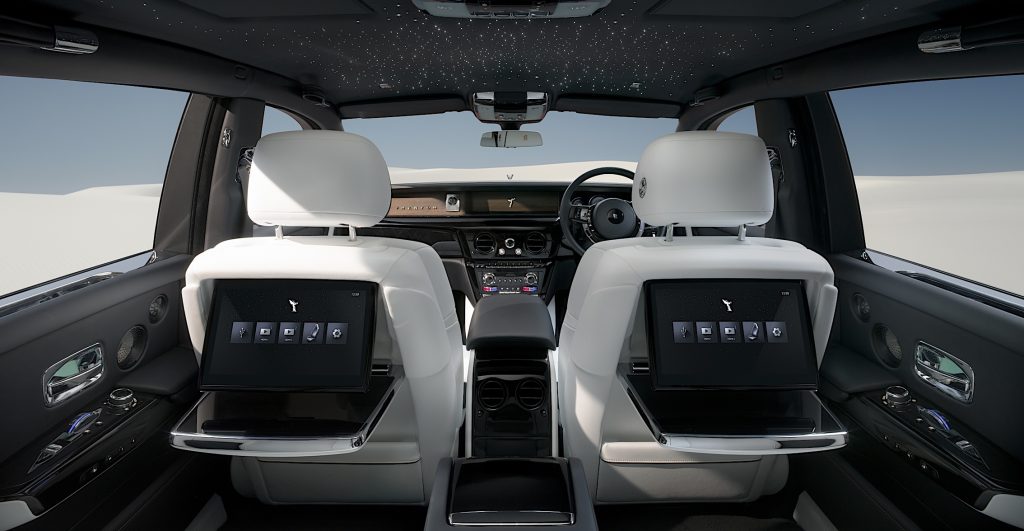
For the luxury traveller, the Phantom oªers an unparalleled experience. Whether arriving at a five-star resort or being chauªeured through the streets of a global metropolis, the Phantom is a companion to share experiences with. The quiet hum of its engine, the design’s flawless interior, the precise craftsmanship. A ride that transcends the mundane, a car that speaks to those who have achieved the extraordinary.
As the Phantom enters its second century, it faces a new challenge: remaining relevant in an era where success is measured in followers as much as fortune. Yet perhaps that’s exactly what it’s always done–adapted the language of power to speak to each generation’s definition of achievement.